High Passes: Walking Northern Italy Without Digital Noise
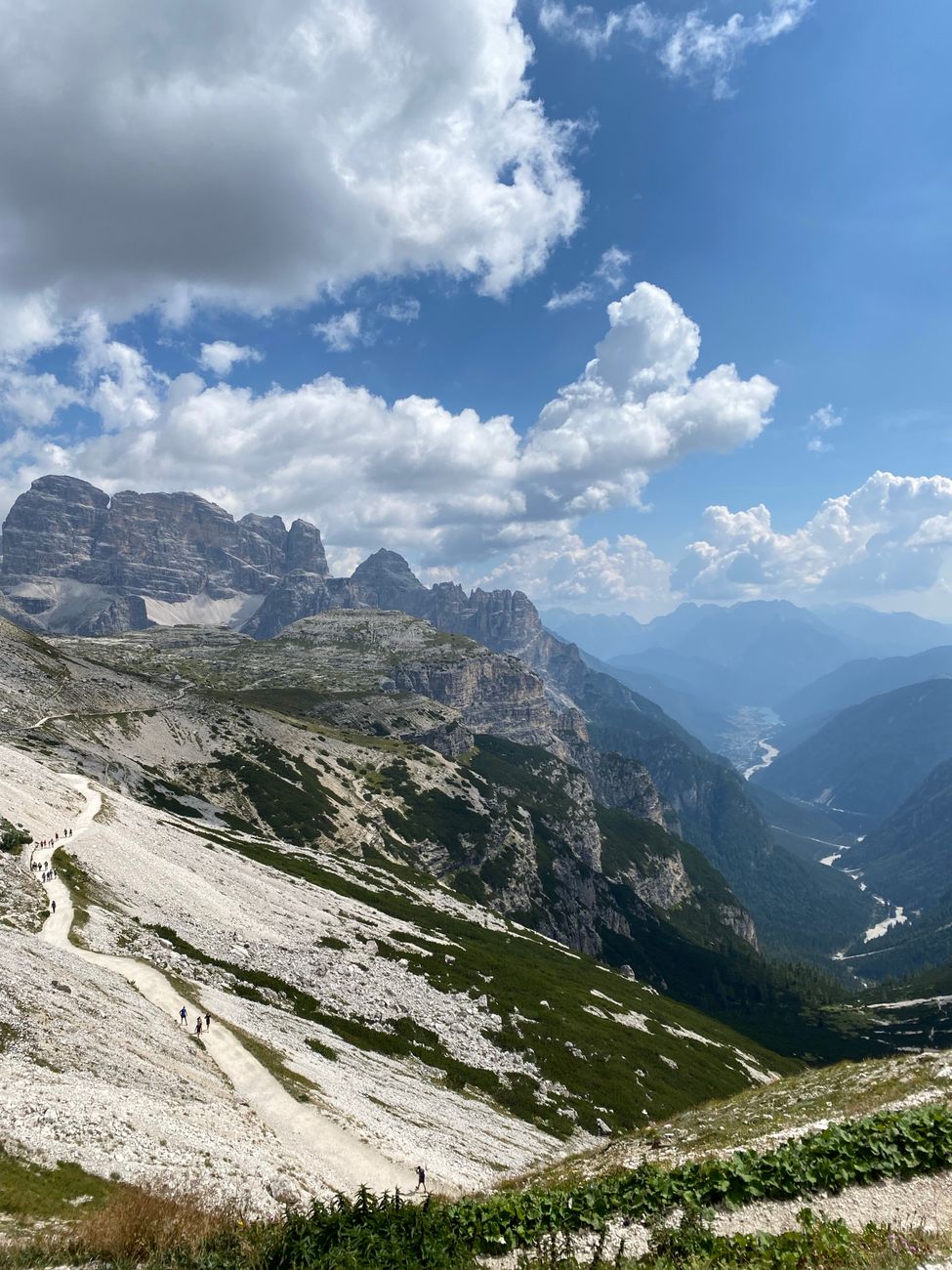
Above two thousand meters, the extraneous chatter of modern travel dissolves into the steady rhythm of boot leather on limestone scree.
For seven consecutive days, we set aside cellular devices to traverse the Puez-Odle plateau. When one removes the continuous urge to record and broadcast every viewpoint, the landscape transforms from a backdrop into an immersive sensory habitat. The scent of stone pines, the sharp chill of glacial water, and the sudden clatter of chamois along high ridges become the genuine landmarks.
The Geometry of Mountain Refuges
In the Dolomites, mountain rifugi are not merely hostels; they are architectural sentinels maintained by generations of mountaineering families. Here, dinner is served precisely at seven: bowls of hot barley soup laced with speck, polenta with wild chanterelles, and carafes of coarse regional Lagrein wine.
Conversations at shared wooden tables naturally bypass occupational status. Travelers speak instead of wind patterns, ridge snowpacks, and the steep descent awaiting them at dawn. There is an unspoken communal humility bred by the sheer verticality of the surrounding rock faces.
Practical Field Guidance
- Seasonality: Late September offers crystalline skies, minimal trail traffic, and the golden turning of larch needles.
- Gear Choice: Prioritize ankle support and lightweight merino layers over heavy superfluous electronics.
- Reservation Protocol: Mountain club rifugi should be secured at least six months in advance via direct email.
As we descended into the valley floor on the final afternoon, the distant rumble of automobile roads felt jarring. Yet the clarity cultivated on high passes remains indelible—an enduring template for how we intend to experience subsequent horizons.