Silence in the Sugi Groves: The Temples of Kansai
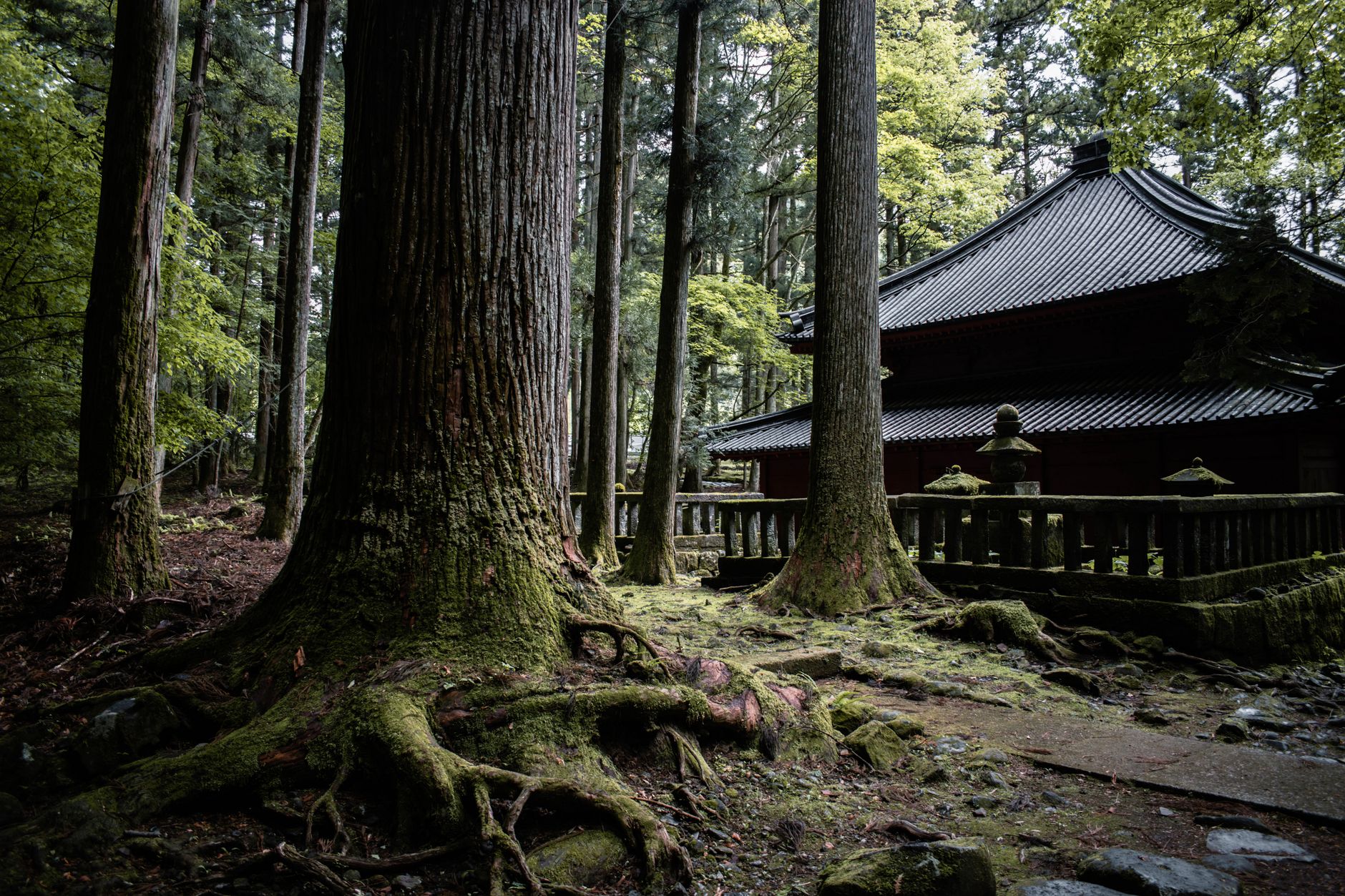
Damp moss carpets absorbing footsteps, rain dripping from cedar shingles, and the low gong of morning bells.
Our winter dispatch brings us to the sacred mountain paths of the Kii Peninsula and the outskirts of Kyoto. Here, giant cryptomeria (sugi) trees rise straight toward misty skies, sheltering shrines that have accommodated seekers for over twelve centuries. Walking these moss-flanked flagstones encourages an involuntary softening of tone.
The Art of Temple Lodging (Shukubo)
Staying within a working Buddhist monastery provides a gentle reconfiguration of daily habits. Guests awaken well before sunrise to attend chanting ceremonies where incense smoke curls through wooden sanctuaries lit solely by paper lanterns. The priests offer no proselytizing lectures; the experience is tactile and self-reflective.
Meals consist of shojin ryori—seasonal vegetarian temple cuisine prepared according to strict rules of five flavors, five colors, and five preparation methods. A single tray holds sesame tofu, simmered mountain burdock, pickled plum, and clear dashi broth. It is dining that rewards patient attention.
Considerations for the Reverent Traveler
When traversing historic sacred routes, simple etiquette deepens every encounter. Remove shoes promptly when crossing timber thresholds, refrain from photographing monastics during devotionals, and allow ample periods between site visits to sit quietly in landscaped gardens.